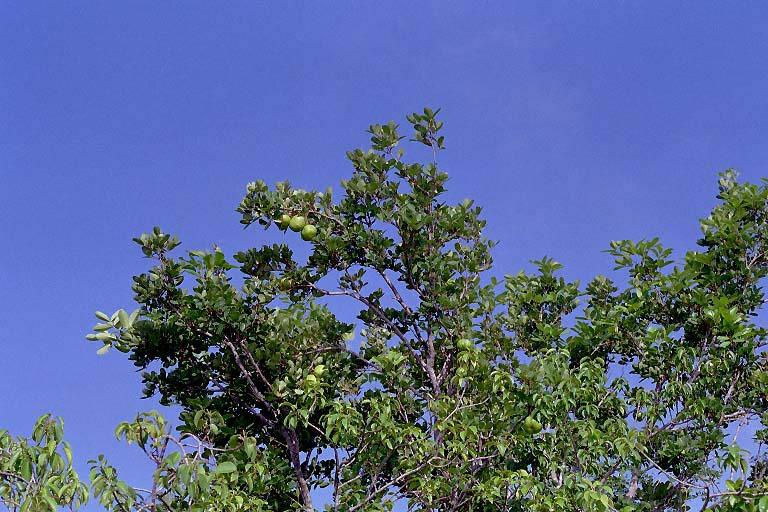

Cedar Mangrove (Xylocarpus moluccensis)
Scientific Name: Xylocarpus moluccensis — Cedar Mangrove or Nyireh Batu.
Native Home: India, Bangladesh, Sri Lanka, Southeast Asia, eastern Africa, northern Australia, and Pacific islands.
Height: Typically 3–15 m, sometimes reaching around 20 m.
Kew Science
+1
Lifespan: Several decades; a reliable typical lifespan has not been established.
Uses and Harvesting
Timber: Durable, reddish wood used for furniture, carving, boatbuilding, and small construction projects.
Harvesting: Wood has traditionally been collected for timber, while bark has been used for tannins and dyeing. Harvesting must follow local mangrove-protection laws.
Age to Harvest: No universal commercial harvest age; growth varies with tidal conditions, salinity, and site productivity.
Products: Furniture, carved wooden items, boatbuilding materials, traditional tannin, and coastal-restoration plants.
Pl@ntUse
+1
History and Global Production
Traditional Use: Its wood has been used for furniture, house posts, boats, and other practical wooden products. Bark has traditionally supplied tannins for treating leather and fishing nets.
Global Spread: Native to tropical coastal regions from eastern Africa and Madagascar through India and Southeast Asia to northern Australia and the Pacific. It grows in mangrove forests and along tidal riverbanks; its rounded, woody fruits help distinguish it from related species.
Kew Science
+2
